Web Platform | YC W23 | 2023 Acquired by Miro, May 2024
Web Platform | YC W23 | 2023 Acquired by Miro, May 2024
Cardinal
Cardinal was accepted into Y Combinator's Winter 2023 cohort to build a product that would help teams see the impact of their work and make better decisions. The engagement was acquired by Miro in May 2024.
Cardinal was accepted into Y Combinator's Winter 2023 cohort to build a product that would help teams see the impact of their work and make better decisions. The engagement was acquired by Miro in May 2024.
Cardinal was accepted into Y Combinator's Winter 2023 cohort to build a product that would help teams see the impact of their work and make better decisions. The engagement was acquired by Miro in May 2024.
Cardinal was accepted into Y Combinator's Winter 2023 cohort to build a product that would help teams see the impact of their work and make better decisions. The engagement was acquired by Miro in May 2024.

Project summary
The founders came in with a clear vision, something like Notion, but built around product team workflows. Brand identity and design system foundation were handled by a colleague at Forge. My focus was the product: taking that reference point and figuring out the structure, the document model, and the UX from there. The founders were collaborative throughout, giving frequent and clear feedback. One of the engineers was a founder, which meant the team was genuinely invested in getting it right.
The founders came in with a clear vision, something like Notion, but built around product team workflows. Brand identity and design system foundation were handled by a colleague at Forge. My focus was the product: taking that reference point and figuring out the structure, the document model, and the UX from there. The founders were collaborative throughout, giving frequent and clear feedback. One of the engineers was a founder, which meant the team was genuinely invested in getting it right.
The founders came in with a clear vision, something like Notion, but built around product team workflows. Brand identity and design system foundation were handled by a colleague at Forge. My focus was the product: taking that reference point and figuring out the structure, the document model, and the UX from there. The founders were collaborative throughout, giving frequent and clear feedback. One of the engineers was a founder, which meant the team was genuinely invested in getting it right.
The founders came in with a clear vision, something like Notion, but built around product team workflows. Brand identity and design system foundation were handled by a colleague at Forge. My focus was the product: taking that reference point and figuring out the structure, the document model, and the UX from there. The founders were collaborative throughout, giving frequent and clear feedback. One of the engineers was a founder, which meant the team was genuinely invested in getting it right.
The founders came in with a clear vision, something like Notion, but built around product team workflows. Brand identity and design system foundation were handled by a colleague at Forge. My focus was the product: taking that reference point and figuring out the structure, the document model, and the UX from there. The founders were collaborative throughout, giving frequent and clear feedback. One of the engineers was a founder, which meant the team was genuinely invested in getting it right.
Expertise
Experties
UI/UX Design
Product Design
Deliverables
Product design
Design system
Link
Year
2023
2023
The Challenge
Accepted into Y Combinator's W23 batch, Cardinal needed a high-quality product MVP as quickly as possible, built around a Notion-style document model with enough flexibility to handle complex product team workflows.
Accepted into Y Combinator's W23 batch, Cardinal needed a high-quality product MVP as quickly as possible, built around a Notion-style document model with enough flexibility to handle complex product team workflows.
Accepted into Y Combinator's W23 batch, Cardinal needed a high-quality product MVP as quickly as possible, built around a Notion-style document model with enough flexibility to handle complex product team workflows.
Accepted into Y Combinator's W23 batch, Cardinal needed a high-quality product MVP as quickly as possible, built around a Notion-style document model with enough flexibility to handle complex product team workflows.
Accepted into Y Combinator's W23 batch, Cardinal needed a high-quality product MVP as quickly as possible, built around a Notion-style document model with enough flexibility to handle complex product team workflows.
Customizing data presentation
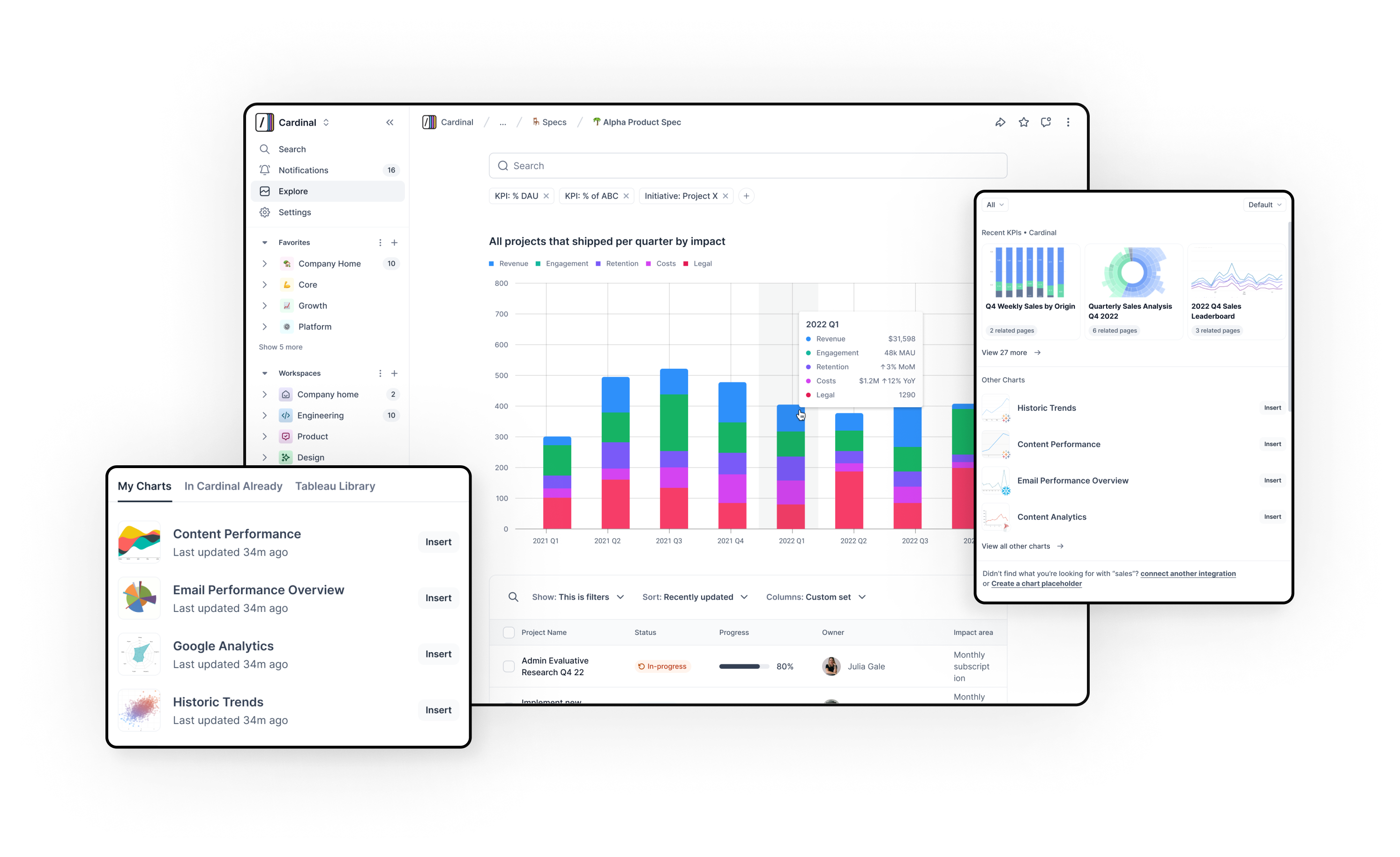
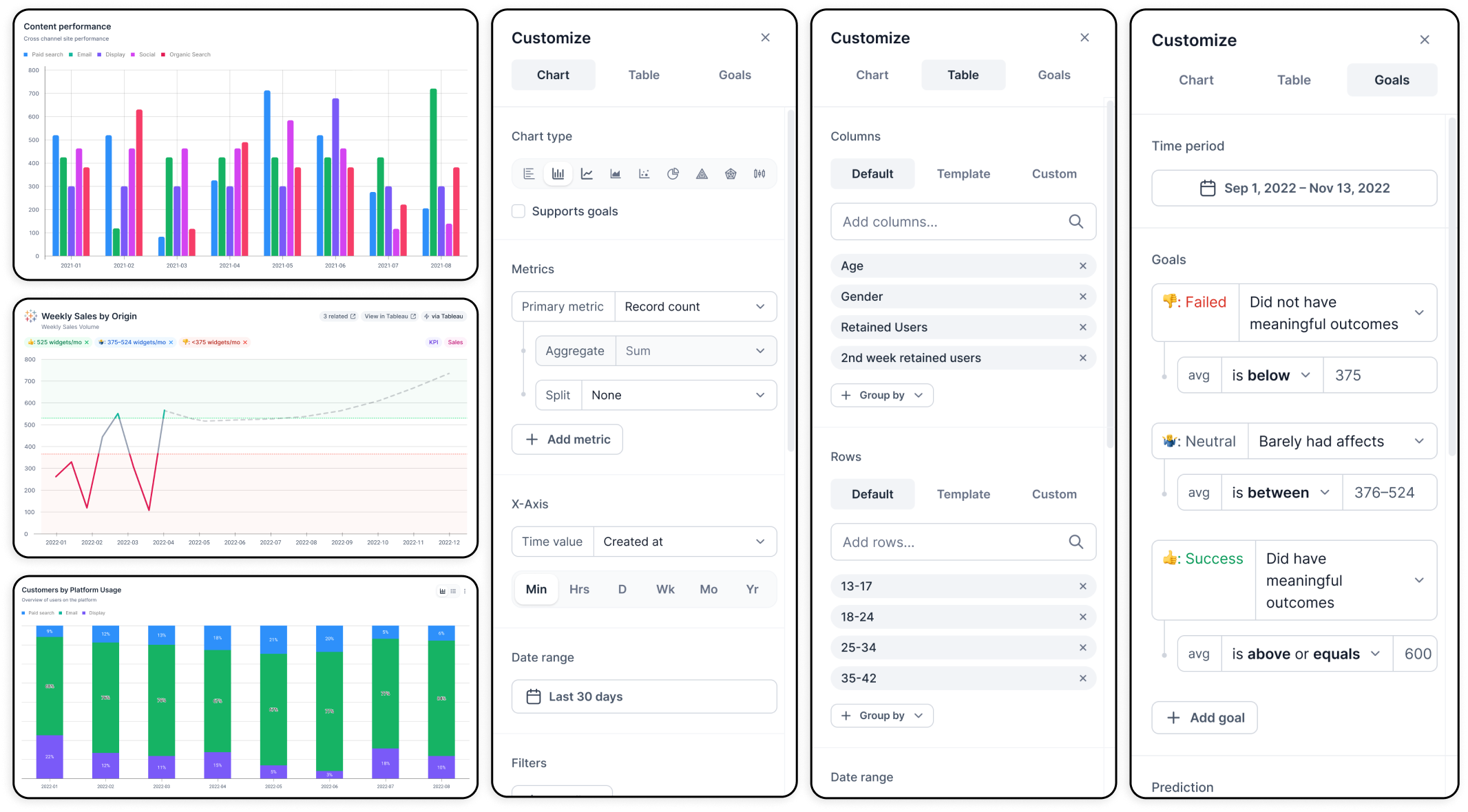
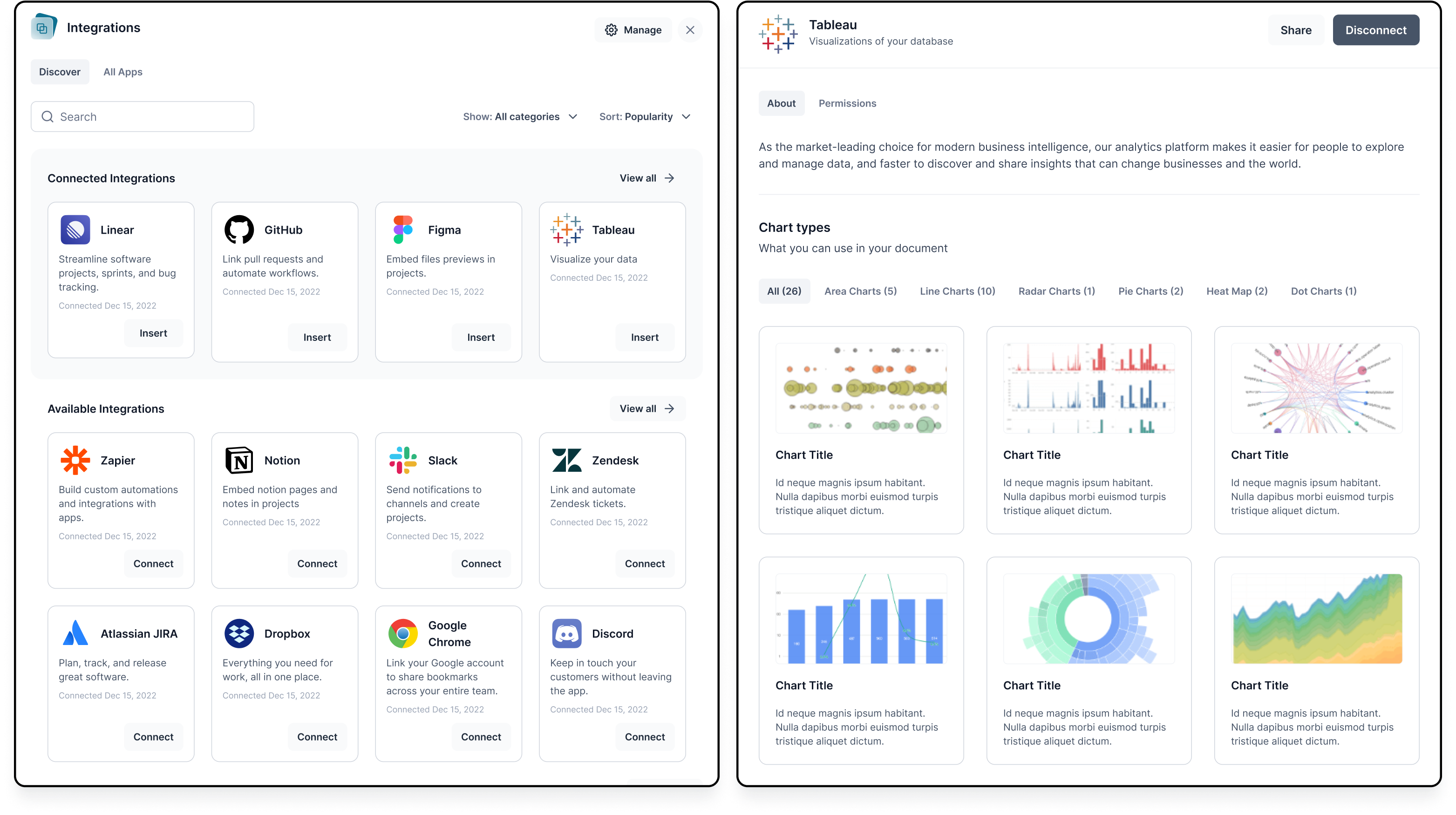
Data visualisations are a powerful way to understand impact, but can be confusing to configure. I focused on three ways to aggregate data: chart form, table form, and goals, keeping the setup approachable without reducing flexibility. Auto-suggest and dropdown patterns helped users select the right data without facing a blank canvas.
Data visualisations are a powerful way to understand impact, but can be confusing to configure. I focused on three ways to aggregate data: chart form, table form, and goals, keeping the setup approachable without reducing flexibility. Auto-suggest and dropdown patterns helped users select the right data without facing a blank canvas.
Data visualisations are a powerful way to understand impact, but can be confusing to configure. I focused on three ways to aggregate data: chart form, table form, and goals, keeping the setup approachable without reducing flexibility. Auto-suggest and dropdown patterns helped users select the right data without facing a blank canvas.
Data visualisations are a powerful way to understand impact, but can be confusing to configure. I focused on three ways to aggregate data: chart form, table form, and goals, keeping the setup approachable without reducing flexibility. Auto-suggest and dropdown patterns helped users select the right data without facing a blank canvas.
Data visualisations are a powerful way to understand impact, but can be confusing to configure. I focused on three ways to aggregate data: chart form, table form, and goals, keeping the setup approachable without reducing flexibility. Auto-suggest and dropdown patterns helped users select the right data without facing a blank canvas.
Seamless integrations
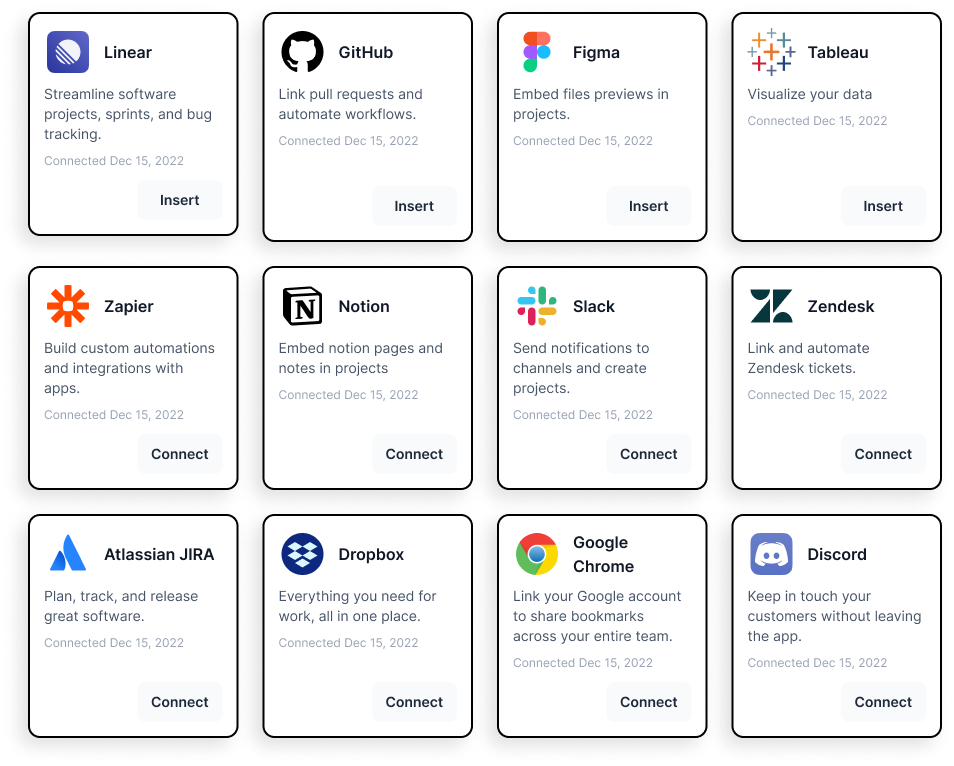
The product needed to stay in sync with the tools that product teams already used. The challenge was making all those integrations feel coherent within a single product experience rather than a collection of disconnected widgets. I designed a command prompt with custom menus per integration, using consistent navigation patterns and familiar auto-suggest behaviour so the experience felt unified regardless of which tool you were pulling from.
The product needed to stay in sync with the tools that product teams already used. The challenge was making all those integrations feel coherent within a single product experience rather than a collection of disconnected widgets. I designed a command prompt with custom menus per integration, using consistent navigation patterns and familiar auto-suggest behaviour so the experience felt unified regardless of which tool you were pulling from.
The product needed to stay in sync with the tools that product teams already used. The challenge was making all those integrations feel coherent within a single product experience rather than a collection of disconnected widgets. I designed a command prompt with custom menus per integration, using consistent navigation patterns and familiar auto-suggest behaviour so the experience felt unified regardless of which tool you were pulling from.
The product needed to stay in sync with the tools that product teams already used. The challenge was making all those integrations feel coherent within a single product experience rather than a collection of disconnected widgets. I designed a command prompt with custom menus per integration, using consistent navigation patterns and familiar auto-suggest behaviour so the experience felt unified regardless of which tool you were pulling from.
The product needed to stay in sync with the tools that product teams already used. The challenge was making all those integrations feel coherent within a single product experience rather than a collection of disconnected widgets. I designed a command prompt with custom menus per integration, using consistent navigation patterns and familiar auto-suggest behaviour so the experience felt unified regardless of which tool you were pulling from.
Dynamic documents
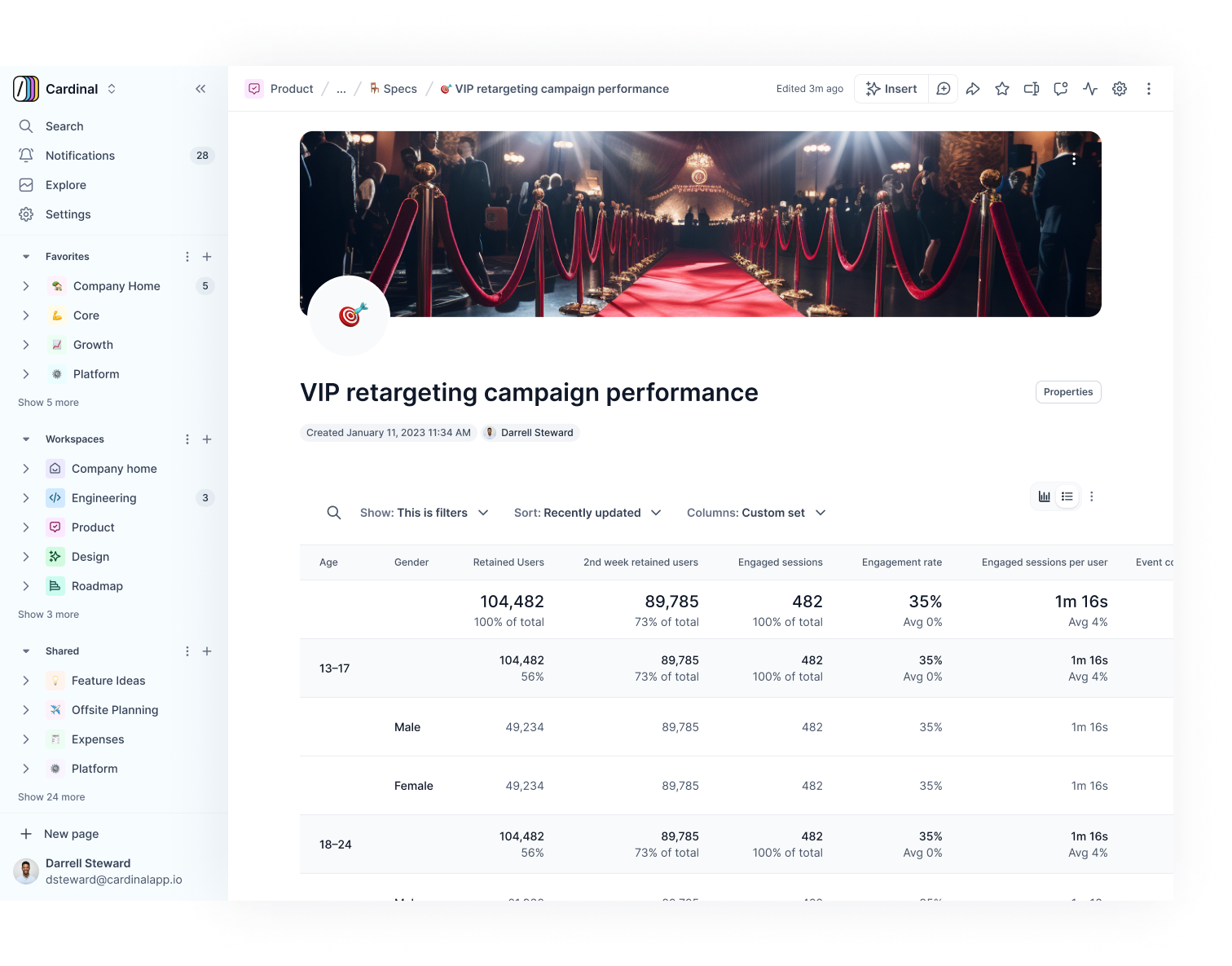
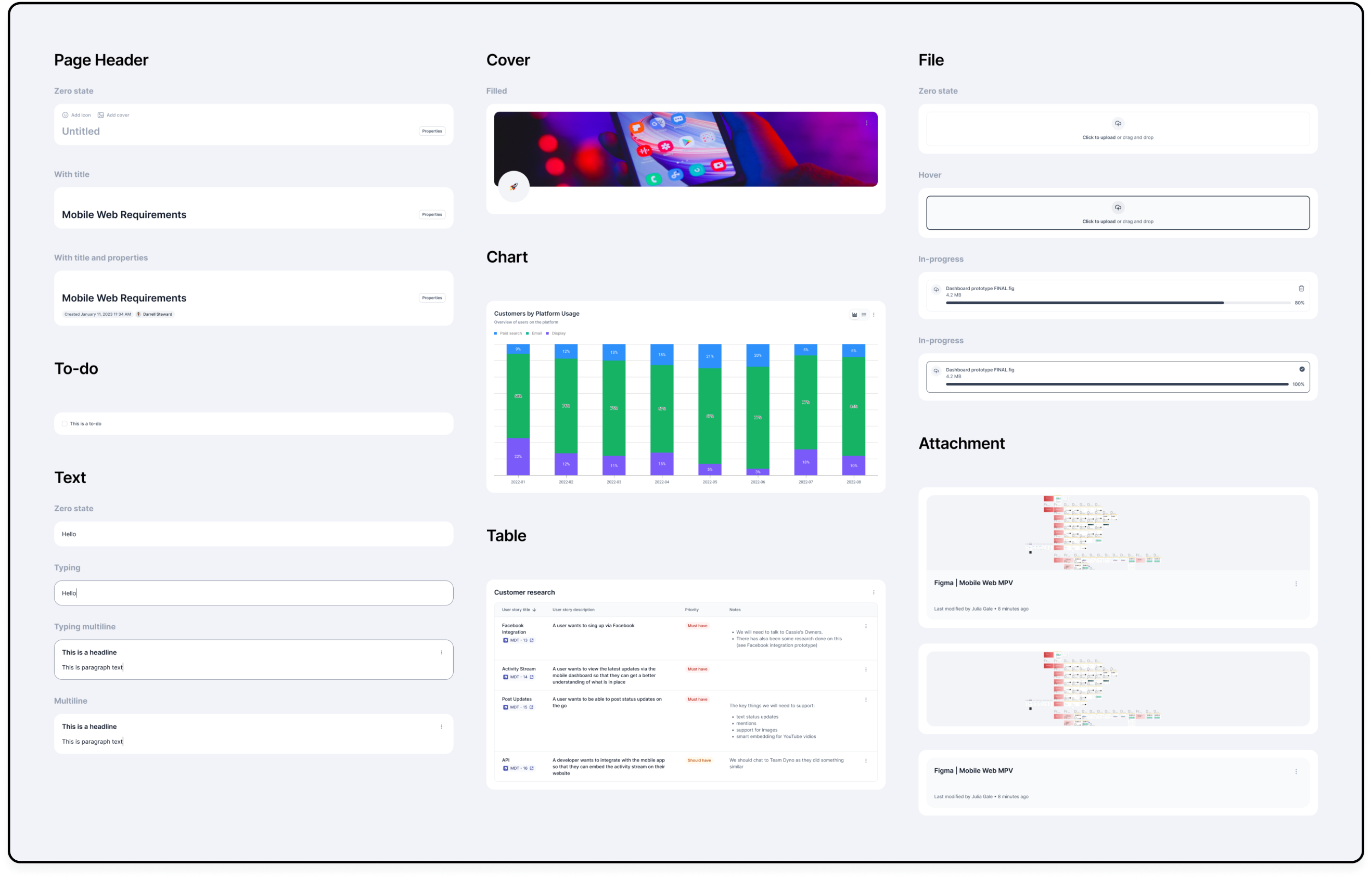
Teams could embed data visualisations directly into documents and pull in content from task managers, communication tools, marketing hubs, and more. The document model needed to handle that range without becoming complicated. I built it around 11 block types, no rigid categories, just a flexible set of content options that could be combined in any order. The structure was loose enough to accommodate different workflows and specific enough to maintain a coherent experience.
Teams could embed data visualisations directly into documents and pull in content from task managers, communication tools, marketing hubs, and more. The document model needed to handle that range without becoming complicated. I built it around 11 block types, no rigid categories, just a flexible set of content options that could be combined in any order. The structure was loose enough to accommodate different workflows and specific enough to maintain a coherent experience.
Teams could embed data visualisations directly into documents and pull in content from task managers, communication tools, marketing hubs, and more. The document model needed to handle that range without becoming complicated. I built it around 11 block types, no rigid categories, just a flexible set of content options that could be combined in any order. The structure was loose enough to accommodate different workflows and specific enough to maintain a coherent experience.
Teams could embed data visualisations directly into documents and pull in content from task managers, communication tools, marketing hubs, and more. The document model needed to handle that range without becoming complicated. I built it around 11 block types, no rigid categories, just a flexible set of content options that could be combined in any order. The structure was loose enough to accommodate different workflows and specific enough to maintain a coherent experience.
Teams could embed data visualisations directly into documents and pull in content from task managers, communication tools, marketing hubs, and more. The document model needed to handle that range without becoming complicated. I built it around 11 block types, no rigid categories, just a flexible set of content options that could be combined in any order. The structure was loose enough to accommodate different workflows and specific enough to maintain a coherent experience.
Block types
I designed unique components for each of the 11 content types, ensuring they worked both independently and in combination within a document. The goal was flexibility without chaos. Each block had a clear purpose, and together they covered the range of what a product team would actually need.
I designed unique components for each of the 11 content types, ensuring they worked both independently and in combination within a document. The goal was flexibility without chaos. Each block had a clear purpose, and together they covered the range of what a product team would actually need.
I designed unique components for each of the 11 content types, ensuring they worked both independently and in combination within a document. The goal was flexibility without chaos. Each block had a clear purpose, and together they covered the range of what a product team would actually need.
I designed unique components for each of the 11 content types, ensuring they worked both independently and in combination within a document. The goal was flexibility without chaos. Each block had a clear purpose, and together they covered the range of what a product team would actually need.
I designed unique components for each of the 11 content types, ensuring they worked both independently and in combination within a document. The goal was flexibility without chaos. Each block had a clear purpose, and together they covered the range of what a product team would actually need.
Cardinal was acquired by Miro, May 2024
Miro acquired Cardinal on May 24, 2024. The acquisition brought Cardinal's product prioritisation and team visibility tools into Miro's platform, with plans to integrate AI-driven insights for product decision-making.
Miro acquired Cardinal on May 24, 2024. The acquisition brought Cardinal's product prioritisation and team visibility tools into Miro's platform, with plans to integrate AI-driven insights for product decision-making.
Miro acquired Cardinal on May 24, 2024. The acquisition brought Cardinal's product prioritisation and team visibility tools into Miro's platform, with plans to integrate AI-driven insights for product decision-making.
Miro acquired Cardinal on May 24, 2024. The acquisition brought Cardinal's product prioritisation and team visibility tools into Miro's platform, with plans to integrate AI-driven insights for product decision-making.
Miro acquired Cardinal on May 24, 2024. The acquisition brought Cardinal's product prioritisation and team visibility tools into Miro's platform, with plans to integrate AI-driven insights for product decision-making.
More projects
Webprints
A social platform for the 3D printing community, discovery, sharing, and project management in one place. Built the MVP visual direction and design system in parallel, then completed the full feature set, ready for launch.
Design Systems
Over the past few years, I’ve worked on design systems across fintech, web3, and platform products. Each project taught me that systems are more than shared components. They’re living frameworks that align teams, scale creativity, and keep products consistent as they grow.